WalletHub
Retirement might be the end of your career, but it doesn’t have to be the end of financial security or life satisfaction.
Retirement generally coincides with the age at which we may receive Social Security or pension benefits. However, not everyone can retire when they want to. In fact, in 2019, 26 percent of non-retired adults had no money saved for retirement, though not necessarily through any fault of their own. Furthermore, with the financial stress Americans have faced during the COVID-19 pandemic, it’s likely that many were unable to save in 2020 as well. A recent study even found that a quarter of Americans expect to retire later than originally anticipated due to the economic impact of COVID-19.
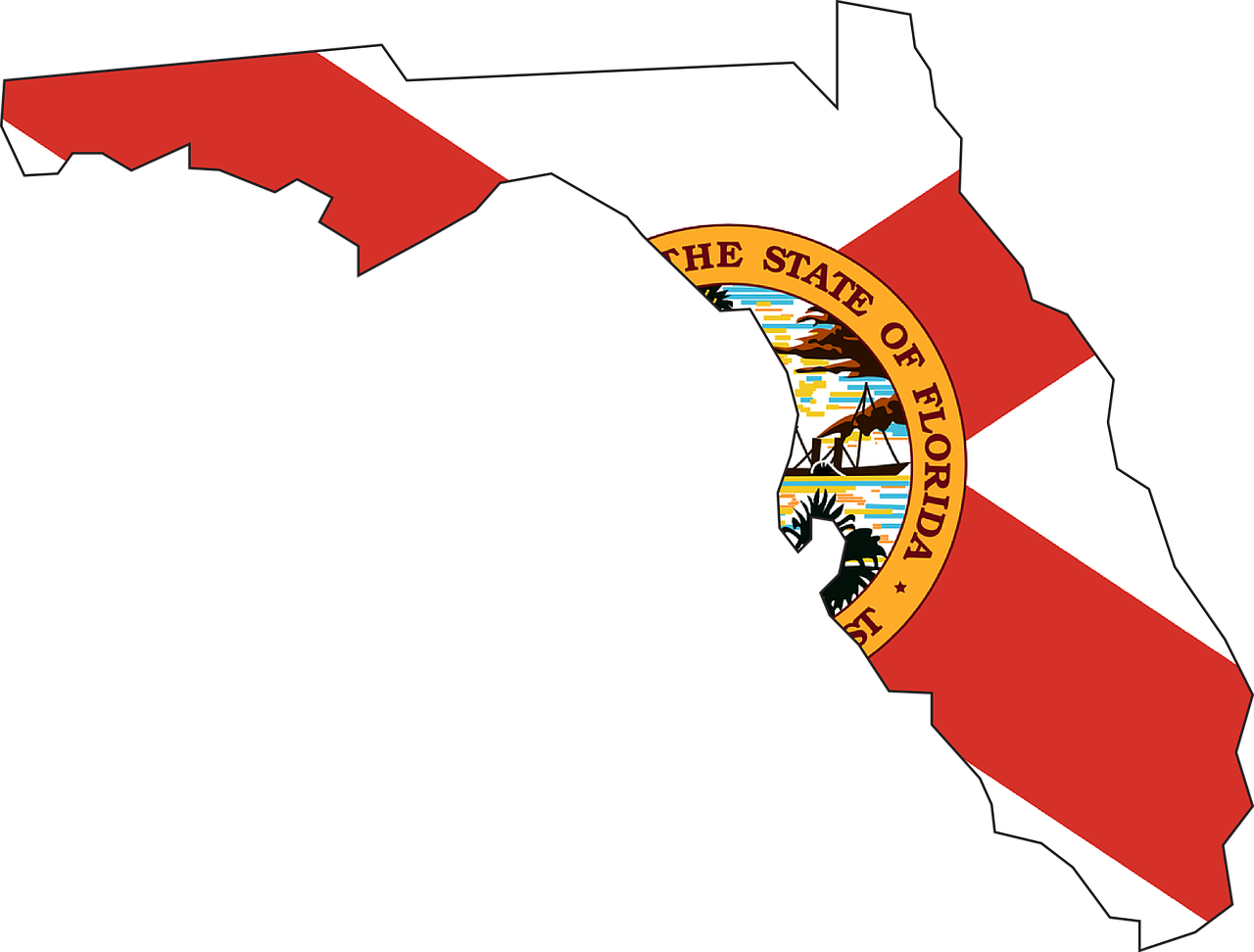
Florida Is 2021’s Best State to Retire
In addition to when to retire, a good question to ask is where. Finding the best states to retire can be difficult without doing lots of research. Even in the most affordable areas of the U.S., most retirees cannot rely on Social Security or pension checks alone to cover all of their living expenses. Social Security benefits increase with local inflation, but they replace only about 39 percent of the average worker’s earnings. Plus, while affordability is one of the biggest concerns when deciding where to retire, there are plenty of other factors to consider like how safe the state is and how good its health care is (especially during the COVID-19 pandemic), as well as what activities it offers to keep retirees busy.
If retirement is still a big question mark for you because of finances, consider relocating to a state that lets you keep more money in your pocket without requiring a drastic lifestyle change. To determine the best states to retire, WalletHub compared the 50 states across 45 key indicators of retirement-friendliness. Our analysis examines affordability, health-related factors and overall quality of life.
Best & Worst States to Retire
| Overall Rank | State | Total Score | Affordability | Quality of Life | Health Care |
|---|---|---|---|---|---|
| 1 | Florida | 61.09 | 4 | 6 | 28 |
| 2 | Colorado | 60.94 | 13 | 16 | 5 |
| 3 | Delaware | 58.69 | 5 | 29 | 22 |
| 4 | Virginia | 58.61 | 11 | 7 | 23 |
| 5 | North Dakota | 57.49 | 24 | 18 | 6 |
| 6 | Montana | 57.35 | 12 | 22 | 15 |
| 7 | Idaho | 57.28 | 16 | 11 | 25 |
| 8 | Utah | 57.11 | 21 | 4 | 26 |
| 9 | Minnesota | 56.33 | 37 | 3 | 2 |
| 10 | New Hampshire | 56.29 | 30 | 1 | 9 |
| 11 | Wyoming | 56.19 | 14 | 13 | 29 |
| 12 | Missouri | 54.64 | 20 | 36 | 12 |
| 13 | South Dakota | 54.04 | 22 | 26 | 18 |
| 14 | South Carolina | 53.18 | 3 | 37 | 41 |
| 15 | North Carolina | 53.14 | 19 | 24 | 34 |
| 16 | Iowa | 52.68 | 34 | 8 | 8 |
| 17 | Arizona | 52.49 | 15 | 28 | 35 |
| 18 | Hawaii | 52.40 | 38 | 30 | 1 |
| 19 | Wisconsin | 52.24 | 32 | 15 | 16 |
| 20 | Vermont | 51.39 | 48 | 5 | 3 |
| 21 | Michigan | 51.33 | 31 | 21 | 17 |
| 22 | Ohio | 51.10 | 25 | 23 | 31 |
| 23 | Nebraska | 50.55 | 36 | 19 | 10 |
| 24 | Nevada | 50.44 | 7 | 39 | 40 |
| 25 | Alaska | 49.79 | 39 | 33 | 4 |
| 26 | Georgia | 49.33 | 9 | 42 | 42 |
| 27 | Alabama | 49.20 | 1 | 45 | 48 |
| 28 | California | 48.98 | 29 | 31 | 30 |
| 29 | Massachusetts | 48.86 | 44 | 2 | 19 |
| 30 | Indiana | 48.85 | 26 | 34 | 37 |
| 31 | Washington | 48.75 | 43 | 10 | 7 |
| 32 | Pennsylvania | 48.64 | 35 | 12 | 32 |
| 33 | Maryland | 48.37 | 41 | 9 | 14 |
| 34 | Louisiana | 48.27 | 8 | 46 | 43 |
| 35 | Tennessee | 48.16 | 2 | 49 | 47 |
| 36 | Kansas | 47.84 | 27 | 32 | 39 |
| 37 | Maine | 47.71 | 46 | 14 | 11 |
| 38 | Arkansas | 47.54 | 6 | 48 | 45 |
| 39 | Oregon | 47.02 | 42 | 20 | 13 |
| 40 | Oklahoma | 46.47 | 17 | 44 | 44 |
| 41 | Illinois | 45.88 | 40 | 27 | 21 |
| 42 | Texas | 45.85 | 28 | 40 | 38 |
| 43 | Connecticut | 44.35 | 47 | 25 | 20 |
| 44 | West Virginia | 44.12 | 18 | 41 | 50 |
| 45 | Kentucky | 43.78 | 23 | 43 | 46 |
| 46 | Rhode Island | 42.85 | 45 | 38 | 24 |
| 47 | New Mexico | 42.68 | 33 | 47 | 36 |
| 48 | Mississippi | 41.88 | 10 | 50 | 49 |
| 49 | New York | 41.86 | 49 | 17 | 27 |
| 50 | New Jersey | 37.41 | 50 | 35 | 33 |